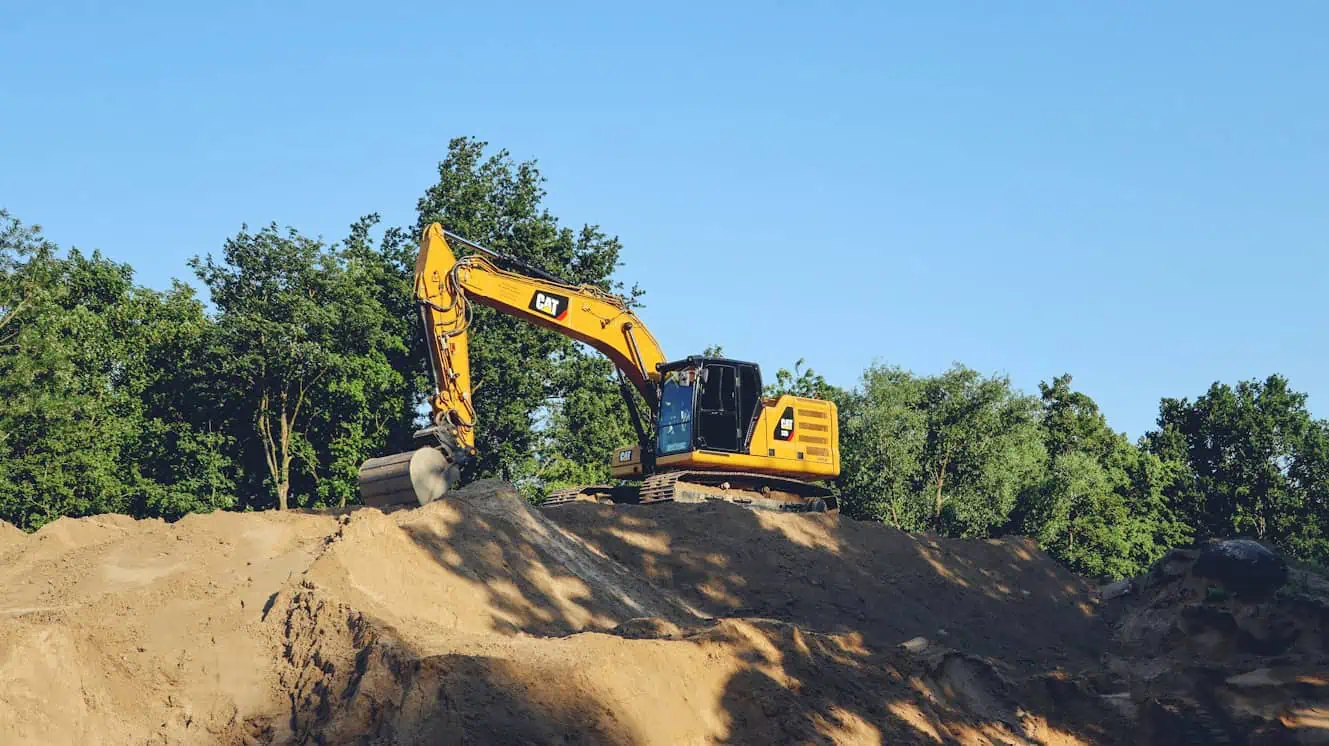
Heavy Equipment Rental Company Abu Dhabi and Site Support
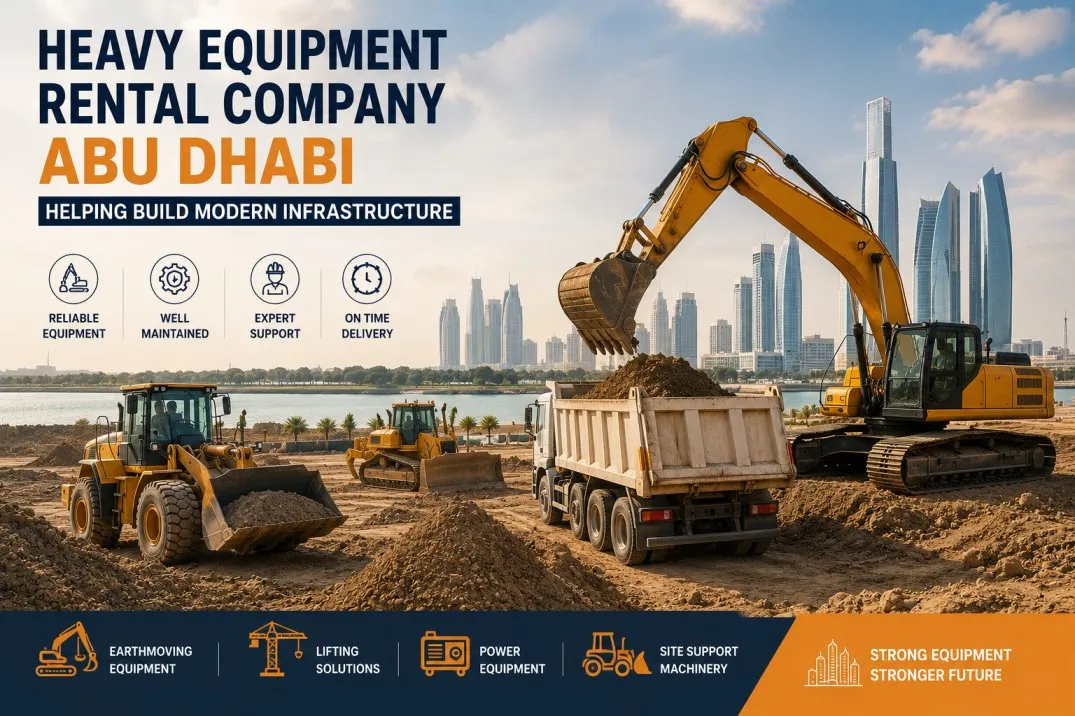
Taineq Transport & Equipment Rental is a heavy equipment rental company in Abu Dhabi for construction and site operations. It helps contractors plan equipment needs around the work, site conditions and project phase, rather than committing to a permanent fleet for every task.
A project may need earthmoving machinery during site preparation, then lifting or compaction equipment later. Choosing equipment for each stage can help limit idle time and keep work moving when requirements change. Before requesting a machine, define the task, the site conditions and the expected period of use.
When Equipment Rental Fits a Project
Buying equipment can leave a contractor responsible for a machine that is not needed throughout the project. Rental lets the team align equipment use with scheduled work, which is useful when machinery needs change between excavation, structural work and road construction.
Rental can also support a project that needs additional equipment for a specific phase. A contractor can assess whether a machine is needed for the full project or only for a defined operation. That distinction helps the project team plan deployment and avoid leaving equipment idle between tasks.
For each request, confirm what the rental arrangement covers. Discuss the required machine, the work it will perform, the intended rental period and how delivery or collection will be handled. Also clarify whether an operator is required and whether the arrangement includes one. These details should be agreed before mobilization.
Equipment Categories for Abu Dhabi Projects
The right machine depends on the task and the constraints at the worksite. Common equipment categories used across construction and industrial projects include excavators, loaders, graders, compactors, cranes, forklifts, telehandlers, generators and air compressors. Confirm availability and suitability with Taineq Transport & Equipment Rental when discussing a specific requirement.
| Work activity | Equipment to consider | What to check |
|---|---|---|
| Site clearance | Bulldozer or excavator | Access to the work area and the type of material to be moved |
| Foundation excavation | Hydraulic excavator | Required digging depth, working space and bucket suitability |
| Road construction | Motor grader or vibro roller | Surface work required and the compaction task |
| Aggregate handling | Wheel loader | Material type, loading area and movement distance |
| Structural lifting | Mobile crane or rough terrain crane | Load weight, lifting radius, ground conditions and access |
| Warehouse or site material movement | Forklift or telehandler | Load dimensions, required reach and available working space |
| Temporary power or pneumatic work | Diesel generator or air compressor | Equipment demand and the conditions in which it will operate |
This is a starting point, not a substitute for checking the machine against the job. For lifting, for example, the load alone does not determine crane suitability. The working radius and site access also matter. For earthmoving, ground conditions and the space available to maneuver can affect which machine is appropriate.
How to Specify the Right Machine
A clear equipment request reduces back-and-forth during planning. Begin with the activity the machine must perform. Then describe the work area and any limits that could affect operation, such as restricted access or uneven ground.
- Describe the task. State whether the requirement is excavation, loading, grading, compaction, lifting or another operation.
- Explain the site conditions. Note ground conditions, available working space and access constraints that could affect machine selection.
- Set the operating requirements. For lifting, share the load and working radius. For excavation, identify the required depth and working area.
- Agree the rental period and logistics. Confirm when the equipment is needed and how delivery and collection will be coordinated.
- Confirm operating and support arrangements. Clarify operator requirements, maintenance responsibilities and the process for reporting a problem.
For example, a roadwork request may involve grading followed by compaction. The project team should describe both tasks and their sequence, then confirm whether the selected equipment matches each stage. That is more useful than requesting a machine by name without explaining how it will be used.
Fleet Readiness, Maintenance and Downtime
Availability is only one part of equipment readiness. The machine also needs to be checked for the work it is expected to perform. Before dispatch, inspections and functional testing can identify concerns with the engine, hydraulics, brakes, electrical systems, tires or tracks and operator controls.
Preventive maintenance helps identify wear before equipment reaches a site. Routine servicing may include oil and filter checks, cooling system maintenance, lubrication and brake testing. Lifting equipment also requires attention to its lifting mechanisms. The appropriate checks depend on the machine and its intended use.
During the rental period, establish who to contact if the equipment develops a fault. A project manager should also know what information to provide, such as the machine involved and the operating issue. Agreeing on the reporting process in advance makes it easier to assess the next step if work is interrupted.
Equipment Planning Across Project Stages
Equipment demand changes as a project progresses. Excavators and bulldozers may be required for site preparation. Graders or compactors may be needed for road formation. Cranes and material handling equipment can support later installation work.
Project managers can use the work schedule to identify when each machine is needed and when it can be released. If the schedule changes, review the equipment plan before extending or replacing a rental. This helps avoid paying for machinery that is no longer contributing to the current activity.
For overlapping work areas, check whether equipment can move safely between tasks or whether separate machines are needed. The decision depends on machine suitability, the sequence of work and site access. A rental discussion is more productive when the project team can explain these constraints.
Industries That Use Heavy Equipment Rental
Heavy equipment supports a range of construction and industrial activities in Abu Dhabi. Infrastructure teams may use earthmoving and compaction machinery on roads or utility work. Commercial construction can require lifting and material handling equipment as structures progress.
Industrial facilities and oil and gas projects may need machinery during construction or maintenance work. Logistics operations can require equipment for moving materials. In each case, the request should be tied to the actual task and site conditions, rather than relying on a general equipment list.
Rental Equipment Service in Abu Dhabi
Taineq Transport & Equipment Rental supports equipment rental requirements in Abu Dhabi. Share the work activity, site conditions and expected timing when discussing a request so the equipment can be assessed against the job.
FAQs
1. Why rent heavy equipment instead of buying it?
Rental can give a contractor access to machinery for a project phase without taking on ownership of a machine that may not be used continuously. The decision depends on expected use, project duration and the costs and responsibilities involved in ownership.
2. What equipment is commonly used on construction projects?
Common categories include excavators, bulldozers, wheel loaders, motor graders, rollers, backhoe loaders, cranes, forklifts, telehandlers, generators and air compressors. Suitability and availability should be confirmed for each request.
3. What information should I provide when requesting equipment?
Describe the task and site conditions. Include relevant requirements such as digging depth or lifting radius, along with the requested rental period and any access limits. Confirm delivery, operator and support arrangements before the equipment is mobilized.
4. How does preventive maintenance help?
Scheduled inspections and servicing can identify wear or faults before equipment is used on site. Checks may cover the engine, hydraulic components, brakes and safety systems, with additional attention to components specific to the machine.
5. How should I plan equipment when a project schedule changes?
Review the next work stage and confirm whether the current machine still suits the task. If requirements have changed, discuss the revised need, timing and site constraints with Taineq Transport & Equipment Rental before extending the rental or requesting different equipment.